About The Claim
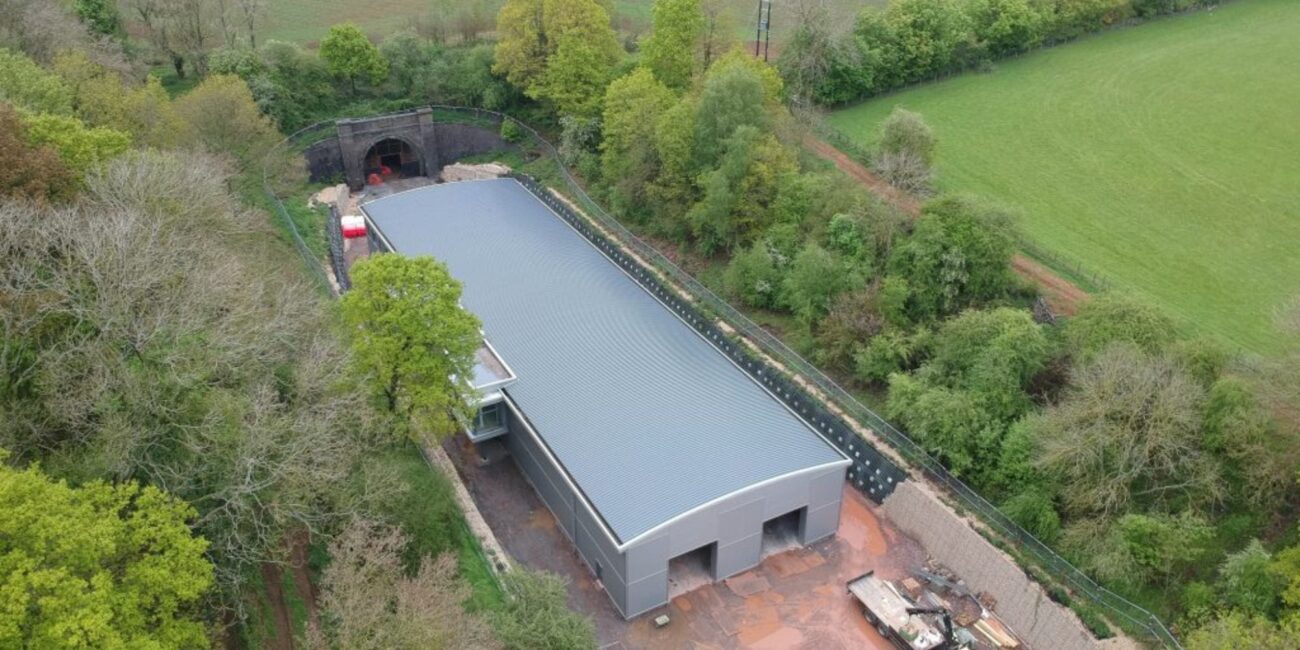
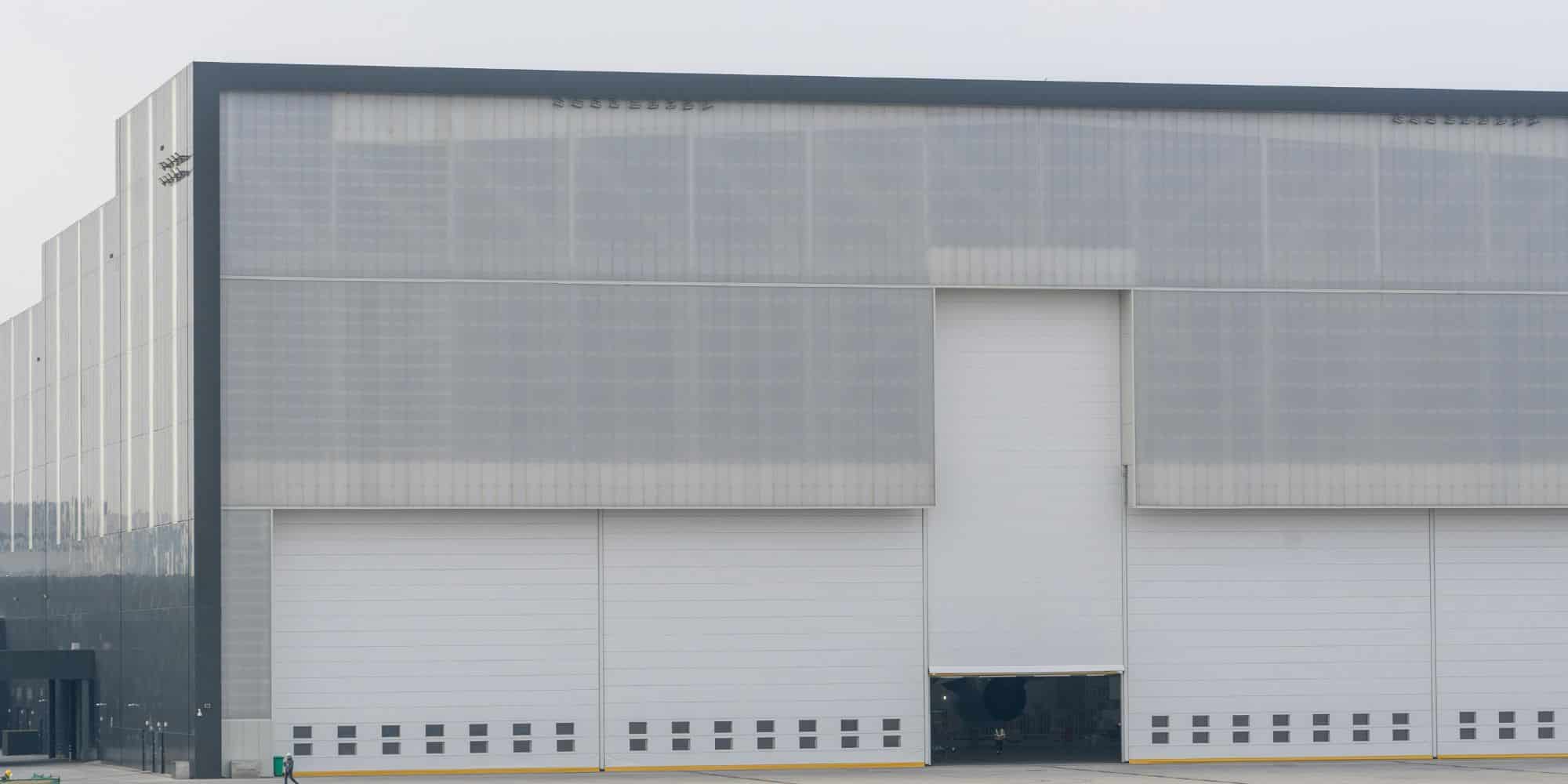
Our client is a property management business that constructed a warehouse facility to serve as a metal recycling centre. The build began in 2017/18, with additional works and installations carried out through to 31 March 2023. Our claim focused on expenditure from 2019 to 2023, as earlier costs had already been addressed.
A key consideration in this case was the client’s tax position: as a newly established partnership, they were not yet generating taxable profits. This raised an important question: “Should I make a claim when I’m not generating profits?” The answer for this case was yes because part of the expenditure qualified for First Year Allowances (FYA), including a portion under the now-expired Super-deduction scheme. These allowances needed to be claimed within a limited timeframe, and once secured, could be carried forward and used to offset future profits. In essence, the client was able to lock in tax relief now to benefit later.
Our Approach
We began by reviewing all relevant documentation to isolate qualifying expenditure from 2019 onward. After completing our due diligence, we presented a proposal outlining the potential tax savings. With the client’s agreement, we carried out a physical survey of the property to inventory and value relevant assets.
Our technical team then analysed these valuations, identifying which items qualified for relief and allocating them correctly between the General Pool, Special Rate Pool, and Super-deduction categories. Since all costs were directly incurred and paid by the client, no apportionment was necessary.
Given that the business was not yet paying tax and had made investments in stages, we tailored our process to accommodate their financial timeline. This meant delivering our service without placing any immediate pressure on the client, ensuring they were well-positioned for future tax efficiency without affecting their short-term cash flow.
A detailed Claim Summary was then prepared, outlining the breakdown of the claim, projected tax savings, and the necessary tax return entries, which were shared with their accountant.
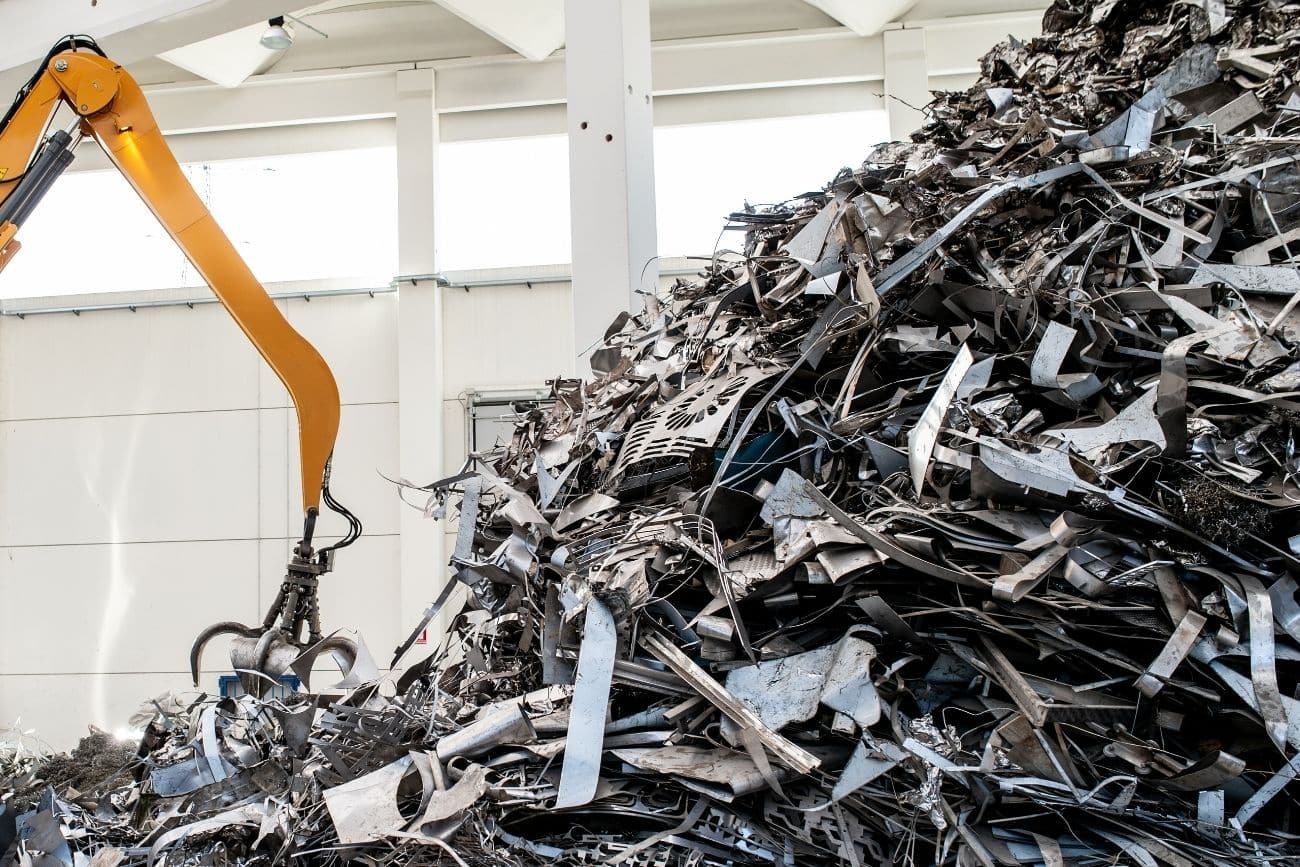
Examples of some of the embedded qualifying items that we found...


High bay LED light fittings

Submerged rainwater harvesting tank

Shower system

Electrical switchgear
An observation from our Managing Director, Chris Roberts...
“Due to the nature and size of the site, the build costs and related expenditure were spread over several years, with some elements involving related parties. We had to obtain a lot of specific information to ensure that only items were included that related to our claim.”
“I was really pleased with how everything was handled during the entire process. What really stood out was their attention to detail. They managed everything efficiently and kept us updated throughout. It’s reassuring to know this level of expertise is available for something that can be so easily overlooked.”

“They involved us from the outset, discussing how best to apply the claim in a way that aligned with our client’s tax planning strategy. Their initial forecast was £428,919, so exceeding that figure was a real bonus.”

Other Case Studies