

What are Capital Allowances?
Capital allowances refer to the specific amounts that UK businesses can offset against their taxable profits. This is in accordance with the Capital Allowances Act of 2001 and is overseen by Her Majesty’s Revenue and Customs (HMRC).
In simpler terms, businesses have two types of expenses: trading/revenue expenses and capital expenditures. When an expense provides a lasting tangible benefit, it’s considered to be a capital expenditure. Capital allowances offer tax relief on many such expenditures, effectively reducing your taxable profit.

Types of Capital Allowance
Capital allowances come in several primary forms:
Annual Investment Allowance (AIA):
AIA lets businesses deduct the entire value of a qualifying item in the year it’s acquired.
Writing Down Allowance:
Instead of a full deduction, businesses deduct a certain percentage of the item’s value.
First Year Allowance:
These provide deductions similar to the standard AIA for specific assets, and in certain circumstances a 50% first year allowance is available for special rate pool expenditure.
Full expensing:
Full expensing allows businesses to immediately deduct the entire cost of eligible assets in the year they are purchased.
To ensure compliance and maximise claims, it’s wise to consult professionals with expertise in property, legislation, and tax.

Eligibility for Capital Allowances
Not all capital expenditures are eligible. To qualify, the spend must be on certain tangible fixed assets, and the business must own the asset being claimed. If a personally owned property is used by a business, a claim might be available.
Assets that often qualify include:
- Computers
- Printers
- Tools
- Specialist equipment
- Machinery
Additionally, some property-specific items might qualify, like:
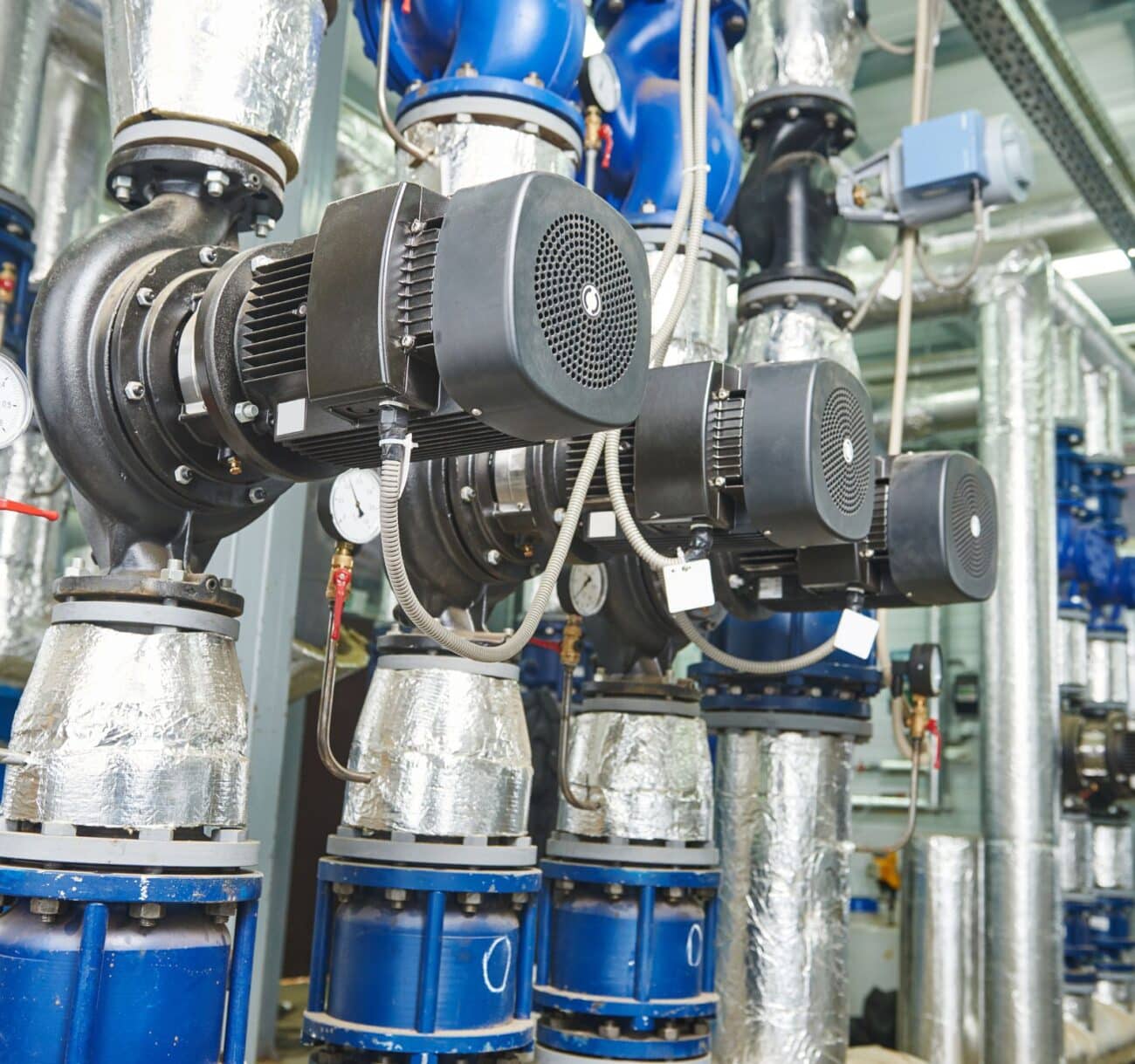
- Heating systems
- Electrical systems
- Fixtures & Fittings
- Sanitary Ware
(Note: Eligibility can depend on circumstances and the relevant capital allowance legislation.)
How to Claim Capital Allowances
Claiming begins with a meticulous inventory of your business assets. By listing every asset, you can identify which ones are capital expenditures and which qualify for capital allowances.
If you face challenges in:
- Creating a detailed inventory, or
- Determining eligible items
Our Capital Allowance Review Service offers a comprehensive survey of your assets. We provide clarity on property and capital allowance legislation, ensuring claims are both precise and maximised.

Navigating Written Down Allowances
Business assets that are eligible for capital allowances fall into one of two categories: AIA or writing down allowance. If amendments to your tax returns are still permissible, considering the year of the expenditure is crucial (usually the preceding two years).
In most scenarios it is better to utilise AIA where available, as it allows immediate deduction of allowances up to the current limit. Writing down allowances become more crucial when the use of AIA and other first year allowances has been exhausted, or in situations where the allowances are in respect of historic expenditure. This will be in situations where the allowances can no longer be claimed in an open tax return (usually more than 2 years ago) and AIA and other first year allowances are no longer available.

Ready to get started? Don’t hesitate to get in touch with us today.
Latest News

 25 September 2026
Unclaimed Capital Allowances in the UK: How to Recover the Tax Relief Hiding in Your Property
Unclaimed capital allowances UK-wide are far more common than most business owners realise. HMRC’s own research into capital allowances, found that businesses had limited awareness or understanding of capital allowances. This no doubt resulting in missed tax savings as they aren’t aware the... 24 September 2026
Capital Allowances for Accountants and Their Clients: How to Add Real Value Without Becoming the Specialist
“Like many other general practitioners, we thought that we knew all the important stuff about capital allowances…after the team had finished with us, we realised there was a whole lot more to be claimed than we first thought!” Chris Booth | Partner – McKellens Chartered Accountants Capital...
Contact Us
Our expert team are here to help answer any of your capital allowances questions or enquires you have about your commercial property.