

When was the structures and buildings allowance introduced?
SBA was first introduced on 29 October 2018 for qualifying expenditures on commercial buildings or structures. Originally, the tax benefit was spread over a 50-year period at a rate of 2% a year. However, this was improved from April 2020 to its current structure of 3% over 33 and one-third years.

What are Structures & Buildings Allowances (SBA)?
SBA allows businesses to claim tax relief against expenditures made on commercial or business-related structures by mitigating tax against profits. This is a type of tax relief that is claimed against capital spend on structures and can help businesses to grow and expand.
What type of buildings and structures qualify for SBA?
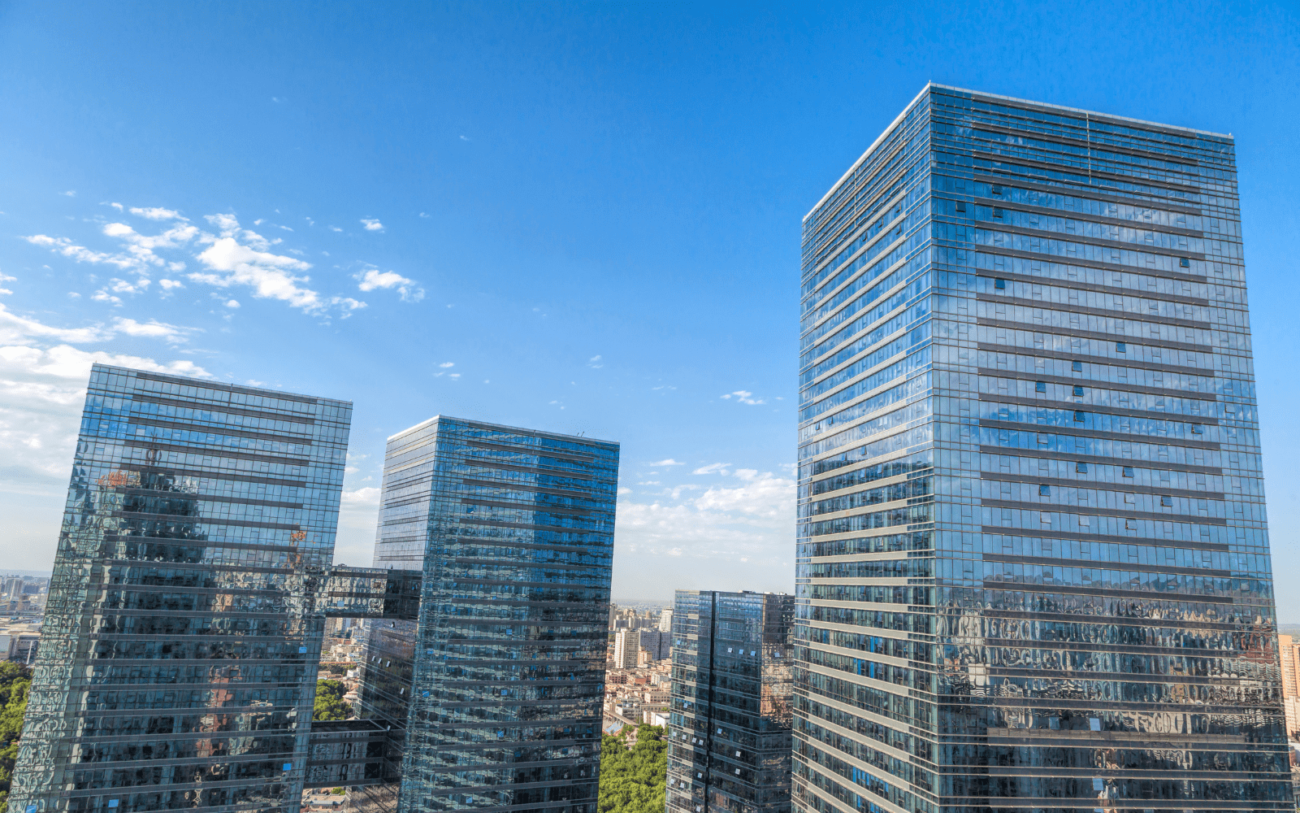
Commercial buildings are the primary type of structure that qualifies for structures and buildings allowance. Buildings or business-related structures must be used for business purposes.
In addition, the person or persons who are claiming SBA must have an interest in the land where the building or structure is located, e.g. leasehold or freehold.

Qualifying activities for SBA
SBA applies to expenditure on commercial buildings that are used for qualifying business purposes.
This can typically include:
- Offices
- Retail premises
- Wholesale premises
- Warehouses
- Factories
Business-related structures such as tunnels and walls

What type of expenditure qualifies for SBA?
- Capital expenditure on renovations to already existing commercial buildings or structures
- Capital expenditure on converting already existing commercial structures or buildings is essential for maximising tax relief.
- Construction costs of a new property
- Associated costs with the construction of a new commercial property
- Specific demolition costs related to construction works are often substantial.
- Specific costs which relate to alterations to the land may be considered qualifying expenditures under HMRC guidelines.

When is SBA claimable?
You can start your claim from whichever is the later of the following:
- The date when the structure comes into use for a qualifying activity
- The date that you are due to pay for the structure or construction work. This will typically be when the work has been completed.
If desired, additional qualifying costs can be grouped together and a claim can be made from the first day of your next accounting period.

Specialist support with structures and buildings allowance
Our expertise and knowledge mean we are specialists when it comes to SBA and helping businesses claim this kind of capital allowance. Take a look at our expert team.

Claiming capital allowances for structures and buildings.
In the UK, the Structures and Buildings Allowance (SBA) provides tax relief on qualifying construction or renovation costs for non-residential buildings and structures. To qualify, you must have entered into a construction contract on or after 29 October 2018, and the building must be used for a qualifying commercial activity, such as a hotel or trade. Residential dwellings are generally excluded, although certain communal areas in multi-unit developments may be eligible.
When making a claim, it is vital to keep a written allowance statement, which should include details such as the date of the construction contract, total qualifying expenditure, and the date the building was first brought into use.
Note that you can’t claim SBA on any expenditure upon which capital allowances or any other form of tax relief has been claimed.

The applicable rate for structures and buildings allowance
The rate at which you can claim the SBA depends on when the qualifying expenditure was incurred:
Previous rate
- 2% per year (over 50 years) for expenditure incurred between 29 October 2018 and 31 March 2020 (for companies) or 5 April 2020 (for unincorporated businesses).
Current rate
- 3% per year (over 33⅓ years) for expenditure incurred on or after 1 April 2020 (for companies) or 6 April 2020 (for unincorporated businesses).
The allowance is claimed on a straight-line basis each year. The SBA does not apply to the purchase of land itself, only to qualifying construction or renovation costs. Additionally, if you sell the building, any unused portion of the allowance can be passed on to the new owner, provided the relevant allowance statements are maintained.

If you lease a structure
If you lease a structure, you can claim SBA on any expenditure you make during the lease period, however, when the lease ceases your entitlement to SBA ceases.
If you lease a structure for more than 35 years from someone who has had qualifying costs, you can claim SBA for the rest of the allowance period provided that the value of their interest in the structure is less than one third of the capital that you paid for it.
Similar to the rules when buying a property, you can continue to claim the allowance if you have taken over someone else’s lease.
If none of the above situations apply (for example, if you lease a property to non-qualifying activity), then the lessor may claim the remaining allowance.

If you buy a structure from a developer
Buying a building from a developer may inherit the remaining SBA entitlement if the original construction or renovation was carried out after 29 October 2018. To continue claiming the allowance:
- Obtain the allowance statement from the developer or previous owner, which confirms the original qualifying expenditure and start date.
- Ensure the building still meets the criteria for a non-residential or mixed-use property with eligible communal areas.
- Exclude any items qualifying for Plant and Machinery Allowances from your SBA claim since those should be claimed separately.
By following these rules and maintaining up-to-date records, businesses can maximise the Structures and Buildings Allowance and reduce their taxable profits over the long term.

If you’d like to know more about how we can support your business, please get in touch.

Latest News

 25 September 2026
Unclaimed Capital Allowances in the UK: How to Recover the Tax Relief Hiding in Your Property
Unclaimed capital allowances UK-wide are far more common than most business owners realise. HMRC’s own research into capital allowances, found that businesses had limited awareness or understanding of capital allowances. This no doubt resulting in missed tax savings as they aren’t aware the... 24 September 2026
Capital Allowances for Accountants and Their Clients: How to Add Real Value Without Becoming the Specialist
“Like many other general practitioners, we thought that we knew all the important stuff about capital allowances…after the team had finished with us, we realised there was a whole lot more to be claimed than we first thought!” Chris Booth | Partner – McKellens Chartered Accountants Capital...
Contact Us
Our expert team are here to help answer any of your capital allowances questions or enquires you have about your commercial property.