
Autumn Budget 2026 Capital Allowances at a Glance
The Autumn Budget 2026 made two changes to plant and machinery allowances. The main rate first-year allowance rises from 40% to 50% for qualifying expenditure incurred on or after 1 January 2027, and the main pool writing-down allowance falls from 14% to 12% from 1 April 2027 for corporation tax and 6 April 2027 for income tax. Full expensing, the £1 million Annual Investment Allowance and the 6% special rate writing-down allowance are unchanged.
| Measure | Before | After | From |
|---|---|---|---|
| Main rate first-year allowance | 40% | 50% | Expenditure on or after 1 January 2027 |
| Main pool writing-down allowance | 14% | 12% | 1 April 2027 (corporation tax), 6 April 2027 (income tax) |
| Special rate writing-down allowance | 6% | 6% | Unchanged |
| Full expensing | 100% | 100% | Unchanged |
| Annual Investment Allowance | £1 million | £1 million | Unchanged |
Source: HMRC, Reduce the main rate writing-down allowance and increase the main rate first-year allowance, 29 October 2026.
Why The Autumn Budget 2025 Capital Allowance Changes Are Relevant
The Autumn Budget 2025 introduced several important changes to UK business capital allowance relief that will affect how it is claimed in 2026 and beyond. These changes affect first-year allowances, eligibility for relief, and the rate at which expenditure can be written down over time.
Below is a summary of the key capital allowance changes announced in the Autumn Budget 2025:
New 40% First-Year Allowances from January 2026
The Autumn Budget 2025 introduced a new 40% First-Year Allowance (FYA) for main rate expenditure incurred on or after 1 January 2026, for both companies and unincorporated businesses. The Autumn Budget 2026 increases it to 50% for expenditure from 1 January 2027.
This relief differs from Full Expensing in two important respects: it is available to all businesses (not just companies), and it includes assets purchased for leasing, which were previously excluded from other first-year reliefs.
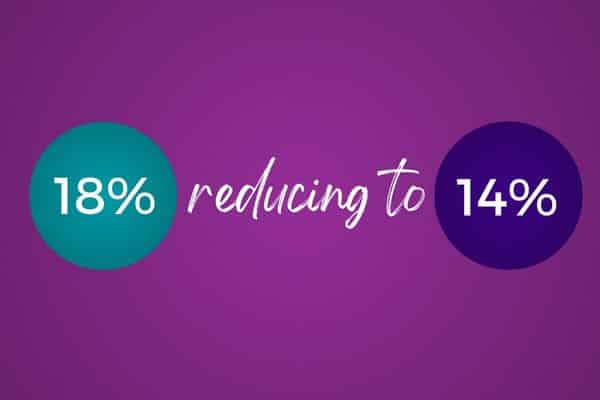
Writing-Down Allowance Reduction from 18% to 14%
The main pool Writing-Down Allowance (WDA) rate fell from 18% to 14% on 1 April 2026 for corporation tax, and 6 April 2026 for income tax. Businesses with accounting periods spanning these dates apply a hybrid rate for that period.
Why this matters:
- Expenditure that does not qualify for first-year allowances now receives tax relief more slowly
- The long-term cost of capital investment increases
- Any balance left in the main pool now attracts 14% a year, whenever the spending happened, falling to 12% from April 2027
Action point for UK businesses:
Review planned capital expenditure and make sure as much as possible is claimed through first-year allowances, so less of it falls into the slower 14% pool.
A specialist capital allowance review can help identify which reliefs you can claim and how to make the most of them.

Autumn Budget 2026 Capital Allowances: Key Changes for UK Businesses
Full Expensing
No changes were announced, with the Government confirming that Full Expensing will remain in place. This provides welcome certainty for businesses planning major capital investments, allowing companies to continue obtaining 100% tax relief on qualifying plant and machinery expenditure in the year of spend. The retention of this regime remains one of the most valuable capital investment incentives available.
Main Rate First-Year Allowance Increased to 50% from 1 January 2027
The main rate first-year allowance will increase from 40% to 50% for qualifying expenditure incurred on or after 1 January 2027. It applies to new and unused main rate plant and machinery, is available to unincorporated businesses as well as companies, and covers assets bought for leasing (cars, second-hand assets and overseas leasing are excluded). It is separate from the existing 50% special rate first-year allowance that companies can claim on integral features alongside full expensing. While this is a positive measure, its practical impact is likely to be limited for many businesses, as the £1 million Annual Investment Allowance (AIA) continues to provide immediate relief for most qualifying expenditure incurred by SMEs and owner-managed businesses.
Main Pool Writing-Down Allowance Reduced to 12% from April 2027
The main practical change is the reduction in the main pool writing-down allowance from 14% to 12%, from 1 April 2027 for corporation tax and 6 April 2027 for income tax. Businesses whose accounting period spans the relevant date will apply a hybrid rate for that period. This slows the rate at which tax relief is obtained on expenditure that does not qualify for immediate relief, increasing the period over which businesses recover their investment through capital allowances. The change effectively delays tax relief and may have a noticeable cashflow impact on capital-intensive businesses.
Why this matters
The reduction in writing-down allowance further increases the importance of identifying expenditure that qualifies for accelerated relief through first year allowances. With slower relief available through the general pool, ensuring expenditure is correctly analysed and classified at the outset becomes increasingly important. Errors or missed opportunities will now have an even greater impact on the timing of tax relief and the overall after tax cost of investment.
Key takeaway
As Writing Down Allowances become less generous, the value of undertaking a robust capital allowances review and maximising claims in the year expenditure is incurred has become even more important.

Expert Reaction: What Does the Autumn Budget Mean for Your Business?
Chris Roberts, Managing Director of Capital Allowance Review Service, shares his reaction to the Autumn Budget 2026:
“There have been no significant changes to capital allowances announced in the Autumn Budget 2026. The government has retained the existing framework, with slight changes to the rate tax relief is achieved for businesses. Further pressure has been applied in ensuring capital expenditure is analysed comprehensively as the value in retrospective reviews has been negatively impacted.”

A Quick Guide to Capital Allowances for UK Businesses
What Are Capital Allowances?
Capital allowances are a type of tax relief that allows businesses to deduct the cost of qualifying capital assets from taxable profits.
Unlike ordinary business expenses, capital allowances provide a structured mechanism for tax relief:
- In full in the year of purchase for certain allowances
- Over time for assets that qualify for Writing-Down Allowances (WDA)
They are available to businesses of all sizes, from sole traders to large corporations, and cover a wide range of assets and expenditure types.
What Qualifies for Capital Allowances?
Capital allowance relief can apply to:
- Plant and machinery – equipment, manufacturing tools, office systems
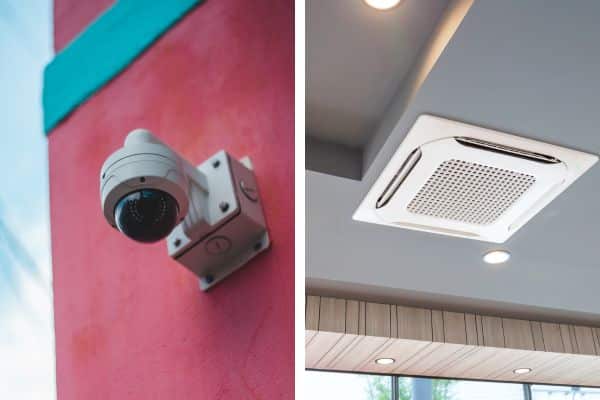
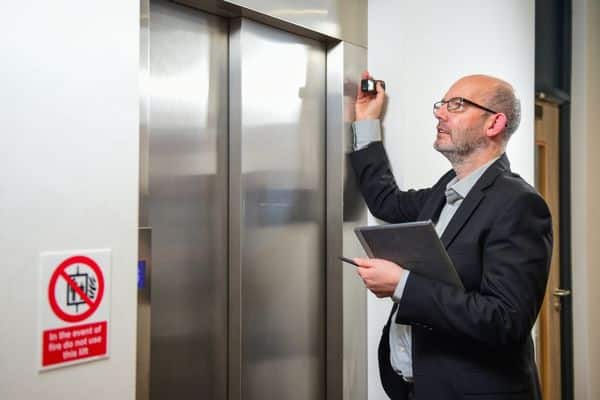
- Integral building features – lighting, air conditioning, lifts, heating, and electrical installations in commercial property
- Fixtures and fittings – movable or demountable partitions, fitted furniture and similar items (fixed walls and partitions are usually part of the building and do not qualify)
- Energy-efficient and sustainable assets – qualifying green technology investments
Tip: Embedded allowances within commercial property are often missed. Identifying all qualifying assets is a key way to maximise relief.
Annual Investment Allowance (AIA): 100% Relief Up to £1 Million
The Annual Investment Allowance gives 100% relief for qualifying plant and machinery expenditure, subject to a £1 million maximum for a 12-month chargeable period.
- Available to most businesses, but not to partnerships with a company as a partner, or to trusts
- Applies to new and second-hand assets
- SMEs often find AIA the easiest way to claim full first-year deductions without complex qualifying conditions
Full Expensing: Uncapped 100% Relief for Companies
Full Expensing allows companies within corporation tax to claim 100% first-year relief on new and unused main pool plant and machinery, with no spending limit. Integral features and other special rate items get the 50% special rate first-year allowance instead.
- Ideal for large businesses investing above the £1 million AIA threshold
- Does not apply to leased assets or unincorporated businesses
- The main rate first-year allowance (40%, rising to 50% from 1 January 2027) helps address this gap for other business types and leased assets
Special Rate Pool: Relief for Long-Life Assets
The special rate pool covers:
- Long-life assets (expected useful life of 25+ years)
- Integral building features
Relief is provided at a lower WDA rate (6%, unchanged at the Autumn Budget 2026), offering slower but still meaningful tax savings over time.
Why Embedded Capital Allowances Are Often Overlooked
When purchasing or refurbishing commercial property, some fixtures and integral features installed by previous owners may still qualify as embedded allowances.
- Often missed without specialist assessment
- Can represent a significant portion of potential tax relief
- Requires historic expenditure knowledge and detailed review
Whether a buyer can claim usually depends on the seller having pooled the items, and both parties agreeing their value when the property is sold.
Tip: Commissioning a capital allowance review for commercial property can uncover unclaimed relief and optimise tax savings.
Read our full guide on how a detailed capital allowance survey can enhance your claims...
How UK Businesses Can Maximise Capital Allowances After Autumn Budget 2026
The Autumn Budget 2026 is a reminder for UK businesses to review their capital allowance position and ensure no available tax relief is missed. The steps below outline how businesses can respond strategically to the latest capital allowance rules.
1. Review All Qualifying Capital Expenditure
Start by identifying all capital expenditure incurred in the current accounting period and any planned investment for the remainder of the year. This should include:
- Plant and machinery purchases
- Commercial property refurbishments and fit-outs
- Integral features such as electrical systems, heating, and lighting
- Embedded fixtures and fittings within acquired buildings
Many businesses focus only on visible equipment and overlook qualifying expenditure hidden within building works and property purchases.
2. Plan Around the Lower Writing-Down Allowance
The main pool writing-down allowance has been 14% since 1 April 2026 (6 April 2026 for income tax), down from 18%. It falls again to 12% from 1 April 2027 for corporation tax and 6 April 2027 for income tax, so spending that does not get the AIA, full expensing or a first-year allowance will receive relief even more slowly.
Businesses should consider:
- Whether planned purchases qualify for the AIA, full expensing or the main rate first-year allowance (40% until 31 December 2026, 50% for expenditure on or after 1 January 2027)
- Whether the timing of large purchases affects which chargeable period gets the relief, and which first-year allowance rate applies
- How the hybrid writing-down allowance rate applies if your accounting period spans April 2026 or April 2027
Careful planning can help determine the most tax-efficient timing for investment.

3. Maximise First-Year Allowances Before Spending Exceeds Limits
The combination of:
- the £1 million Annual Investment Allowance (AIA), and
- Full Expensing for companies,
means most businesses can still access 100% first-year tax relief on qualifying expenditure.
To maximise this benefit:
- For companies, use the AIA on integral features (which would otherwise get only 50% or 6%) and full expensing on other plant
- Plan large purchases across accounting periods if appropriate
- Ensure assets are allocated to the most beneficial relief
This makes timing more important than ever, especially when planning large capital expenditures. Specialist advice can help optimise the order and timing of claims.

4. Review Commercial Property for Embedded Capital Allowances
If your business has purchased, refurbished, or extended commercial property in recent years, a capital allowance review may uncover unclaimed embedded allowances.
These commonly arise from:
- Fixtures and fittings installed by previous owners
- Integral building features not separated in purchase contracts
- Refurbishment and fit-out projects
Claims usually depend on the seller having pooled the items and both parties agreeing their value at the time of sale, so it is worth acting early.
Property reviews frequently identify significant tax relief that was missed at the time of purchase or construction.
Want to see real results? Learn how a warehouse construction led to substantial tax savings in this client case study...


- £2,895,358
- £462,668
Frequently Asked Questions About Capital Allowances and the Autumn Budget 2026
Were any capital allowance changes announced in the Autumn Budget 2026?
Yes. The main rate first-year allowance increases from 40% to 50% for expenditure incurred on or after 1 January 2027, and the main pool writing-down allowance falls from 14% to 12% from 1 April 2027 (corporation tax) and 6 April 2027 (income tax). Full expensing, the £1 million Annual Investment Allowance and the 6% special rate are unchanged. For most businesses the changes are not significant.
Has the Writing-Down Allowance reduction from 18% to 14% taken effect?
Yes. The 14% rate has applied since 1 April 2026 (6 April 2026 for income tax). The Autumn Budget 2026 reduces it further to 12% from 1 April 2027 for corporation tax and 6 April 2027 for income tax, with a hybrid rate for accounting periods that span those dates. It’s therefore important writing down values are carefully considered when calculating for your tax returns.
Does Full Expensing still apply after the Autumn Budget 2026?
Yes. Full Expensing remains in place, allowing companies within corporation tax to claim 100% first-year relief on new and unused main pool plant and machinery, with no upper limit. Integral features and other special rate assets get the 50% special rate first-year allowance.
What is the difference between Full Expensing and the Annual Investment Allowance?
Both provide 100% first-year relief, but they work differently. The AIA is available to most businesses, including sole traders and most partnerships, on both new and second-hand assets, subject to a £1 million maximum for a 12-month chargeable period. Full Expensing is available only to companies within corporation tax, applies only to new and unused assets, and has no spending cap. For most SMEs, the AIA will be the primary relief; Full Expensing becomes relevant for larger companies investing above the £1 million threshold.
Frequently Asked Questions About Claiming Capital Allowances
Can I claim capital allowances on a commercial property I have recently purchased?
Yes, and this is one of the most commonly missed opportunities. When purchasing commercial property, qualifying fixtures and integral features embedded within the building may attract capital allowance relief. These embedded allowances can be substantial, but they require a specialist survey to identify and quantify. It is important to act promptly, as certain claims must be made within specific time limits.
Do second-hand assets qualify for capital allowances?
Yes. Second-hand assets can qualify for AIA and Writing-Down Allowances, provided they are used in the business and meet the relevant conditions. Full Expensing, however, is restricted to new assets. If you are purchasing used equipment or acquiring assets as part of a property or business transaction, it is worth checking which reliefs are available and whether any previous claims affect your entitlement.
How can my business maximise its capital allowance claims?
The most effective approach combines thorough asset identification (including embedded property allowances), strategic timing of expenditure, and use of the most beneficial available relief for each asset type. Engaging a capital allowance specialist is the most reliable way to ensure all qualifying expenditure is captured, particularly for property acquisitions, major refurbishments, or significant plant and machinery investments.
Get Expert Capital Allowance Advice After the Autumn Budget
Capital allowances are one of the most powerful and most underutilised tax reliefs available to UK businesses. Yet with multiple overlapping rules, changing rates, and complex property-related claims, it is easy to miss the relief that you are legitimately entitled to.
Capital Allowance Review Service has specialised in helping businesses identify and claim the full value of their capital allowance entitlement for over 20 years. Our process typically begins with a comprehensive review of your assets and expenditure, including a site survey where relevant, to ensure no qualifying relief is left on the table.
Whether you are responding to the Autumn Budget 2026, planning a commercial property acquisition, or simply reviewing your annual tax position, our team can provide the specialist guidance you need.

Contact us today to find out how much your business could be entitled to claim...
Latest News

 28 October 2026
Autumn Budget 2026: What It Means for Capital Allowances
On Wednesday, 28 October 2026, Chancellor John Healey delivered the Autumn Budget 2026, outlining the government’s latest tax updates for UK businesses. For companies planning investment in plant, machinery, or commercial property, the Autumn Budget is a key opportunity to identify whether capital...
 20 October 2026
Capital Allowances on Property Renovations: The UK Guide for Commercial Property Owners
When claiming in the year of expenditure, Capital allowances on property renovations can typically be claimed through four main routes: the Annual Investment Allowance (AIA), full expensing, first-year allowances (FYAs), and the Structures and Buildings Allowance (SBA). Which ones apply depends on what...
Contact Us
Our expert team are here to help answer any of your capital allowances questions or enquires you have about your commercial property.